
Picture this: You are driving home after a long week, looking forward to a relaxing evening, when suddenly your car starts making an unsettling clunking noise. Smoke trickles from under the hood. The mechanic hands you an estimate for $1,200—money you simply don’t have sitting around.
I remember when this exact scenario happened to me a few years ago. My heart sank, and I had to put the repair on a high-interest credit card, which took me months to pay off. It was a painful lesson that taught me the true value of an emergency fund.
Unexpected financial surprises are an inevitable part of life, but the feeling of panic doesn't have to be. An emergency fund is your ultimate financial safety net, designed to transform potential crises into minor inconveniences. Building one is one of the most powerful, liberating steps you can take toward true financial freedom. In this guide, we will break down exactly how to build an emergency fund from scratch, step by step.
1 What is an Emergency Fund (And What It Is Not)?
At its core, an emergency fund is a stash of money set aside strictly to cover urgent, unbudgeted, and necessary expenses. It acts as a buffer between you and life’s unexpected surprises, protecting your long-term savings, investments, and peace of mind.To make the most of this fund, it helps to be crystal clear on what actually qualifies as an emergency.
What It IS For:
• Job loss or income reduction: Covering your basic bills while you search for new work.• Medical or dental emergencies: Paying unexpected co-pays, deductibles, or urgent treatment costs.
• Essential home or car repairs: Fixing the water heater when it bursts or replacing worn-out tires so you can commute safely.
• Unplanned family emergencies: Travel costs for an urgent family situation.
What It IS NOT For:
• Vacations or weekend getaways: These are planned expenses that belong in a separate "sinking fund."
• Annual sales or discounts: A deal on a flat-screen TV is an impulse opportunity, not an emergency.
• Holiday gifts or birthdays: These happen on the same day every year and should be budgeted in advance.
Keeping a strict boundary around your emergency cash ensures the money is always waiting when you truly need it most.
2 How Much Should You Save?
The classic rule of thumb in personal finance is to save 3 to 6 months' worth of essential living expenses. Notice the key phrase: essential living expenses. This does not mean replacing 100% of your current monthly income. Instead, focus on what you need to survive if all income suddenly stopped. If you need help figuring out your essentials, check out my guide on the [50/30/20 Budget Rule].Calculating Your Essential Expenses
Start by adding up your core monthly non-negotiables:• Rent or mortgage payment
• Utilities (electricity, water, gas, internet)
• Basic groceries (excluding dining out)
• Transportation costs (car payment, insurance, gas, public transit)
• Minimum debt payments
A Quick Calculation Example
Let's look at Sarah, who earns $4,000 a month after taxes. When she reviews her budget, she finds that her core living expenses equal $2,500 per month.
• 3-Month Target (Minimum Safety Net): 7,500
• 6-Month Target (Full Financial Protection): 15,000
If you have a steady salary or a two-income household, a 3-month fund might be plenty. However, if you are self-employed, work on commission, or are the sole earner, aiming for 6 months provides a much safer buffer.
3 Where Should You Keep Your Emergency Fund?
Where you store your emergency money is just as important as how much you save. Your emergency fund needs to meet two criteria above all else: liquidity (easy access) and safety.High-Yield Savings Account (HYSA) — The Ideal Choice
A High-Yield Savings Account (HYSA) is the best place to keep your emergency fund. Offered primarily by online banks, HYSAs pay significantly higher interest rates than traditional savings accounts while keeping your cash 100% liquid.
Pro Tip: Keep your HYSA at a different bank than your primary checking account.
This subtle barrier keeps you from spending your emergency stash on everyday purchases.
Why You Should NOT Invest It in the Stock Market
It can be tempting to invest your emergency savings in stocks to chase higher returns. However, this is a risky mistake. The stock market fluctuates constantly. If the economy takes a downturn and you experience a job layoff at the exact same time the stock market crashes, you might be forced to sell your investments at a major loss just to pay rent.
4 4 Actionable Steps to Build Your Fund Today
Building thousands of dollars in savings can feel overwhelming if you try to do it all at once. The secret is breaking the process down into small, realistic steps.Step 1: Set a Starter Goal ($1,000)
Don't worry about hitting 3 to 6 months right away. Focus entirely on reaching your first $1,000 mini-fund. A $1,000 starter goal gives you immediate relief from small curveballs—like a sudden tire replacement or a trip to urgent care—and builds the psychological momentum you need to keep going.Step 2: Automate Your Savings
Treat your emergency fund like a mandatory recurring bill. Set up an automatic transfer from your checking account to your HYSA every payday. Even saving $25 or $50 a week adds up quickly:• $25/week = $1,300 in one year
• $50/week = $2,600 in one year
• $100/week = $5,200 in one year
Step 3: Redirect Windfalls and Refunds
Accelerate your progress by depositing unexpected lump sums directly into your emergency account. These include tax refunds, work bonuses, or cash-back rewards.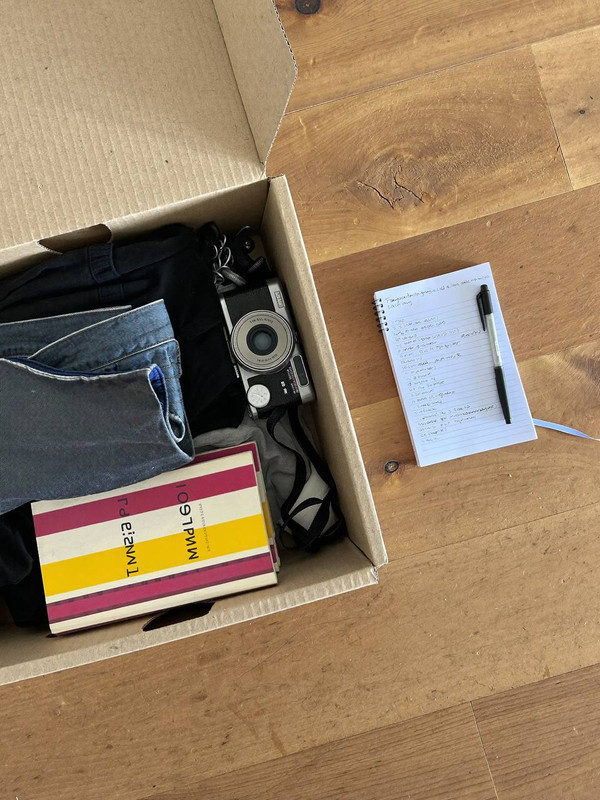
Step 4: Declutter and Sell Unused Items
Take a quick inventory of your home. Most of us have old electronics, unused furniture, or clothes sitting around. Selling these items on local marketplaces or online platforms can net you several hundred dollars in quick cash to jumpstart your $1,000 starter fund within a single weekend. If you need more daily saving tips, read my guide on [How to Save Money on a Tight Budget].Conclusion
Building an emergency fund isn't about getting rich quick—it is about purchasing priceless peace of mind. Knowing you have a dedicated cushion of cash waiting in the background changes your entire relationship with money. Unexpected bills stop being scary crises and simply become minor bumps in the road.Start small, stay consistent, and celebrate every milestone along the way. Your future self will thank you for taking action today.

No comments:
Post a Comment